World
Climate Resilience Through Regeneration
Climate-Smart Futures through Innovations that Benefit Communities
Healthy communities depend on healthy environments. Yet climate change, water stress and land degradation are placing growing pressure on the natural systems people rely on for food, water and livelihoods.
At The Cycle, we see people and planet as deeply connected. We regenerate land and water systems, turn environmental challenges into valuable resources, and strengthen climate-resilient livelihoods — creating a cycle in which healthier ecosystems support stronger communities, and people are better equipped to protect the environments they depend on.
Our Impact
The Problem
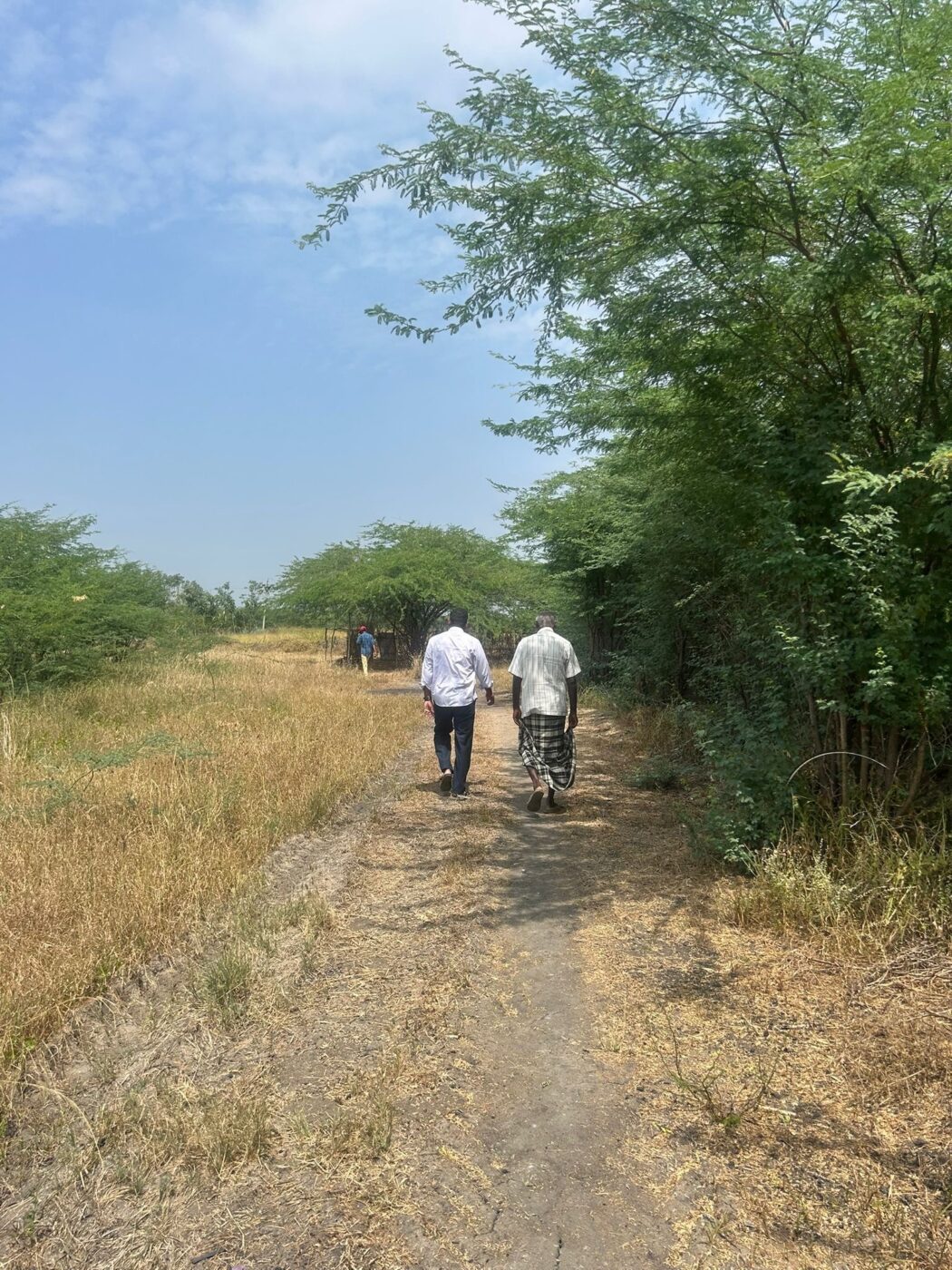
In some of the most aspirational districts in India (government-designated as among the country's least developed and most in need of investment) the invasive weed Prosopis juliflora has spread through previously arable land - infesting over 40% of arable land across India, with 115,434 hectares lost to the plant in Ramanathapuram district alone.
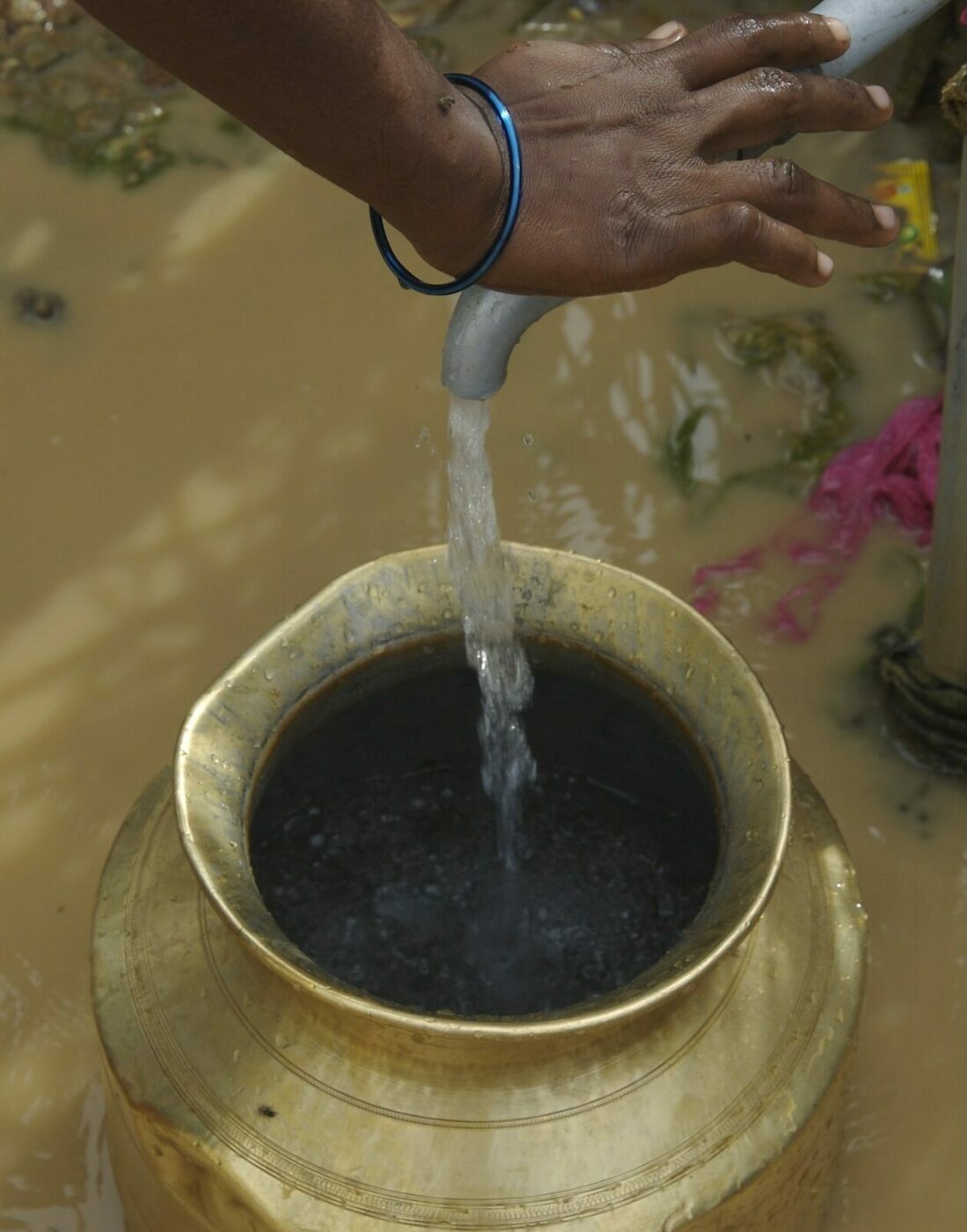
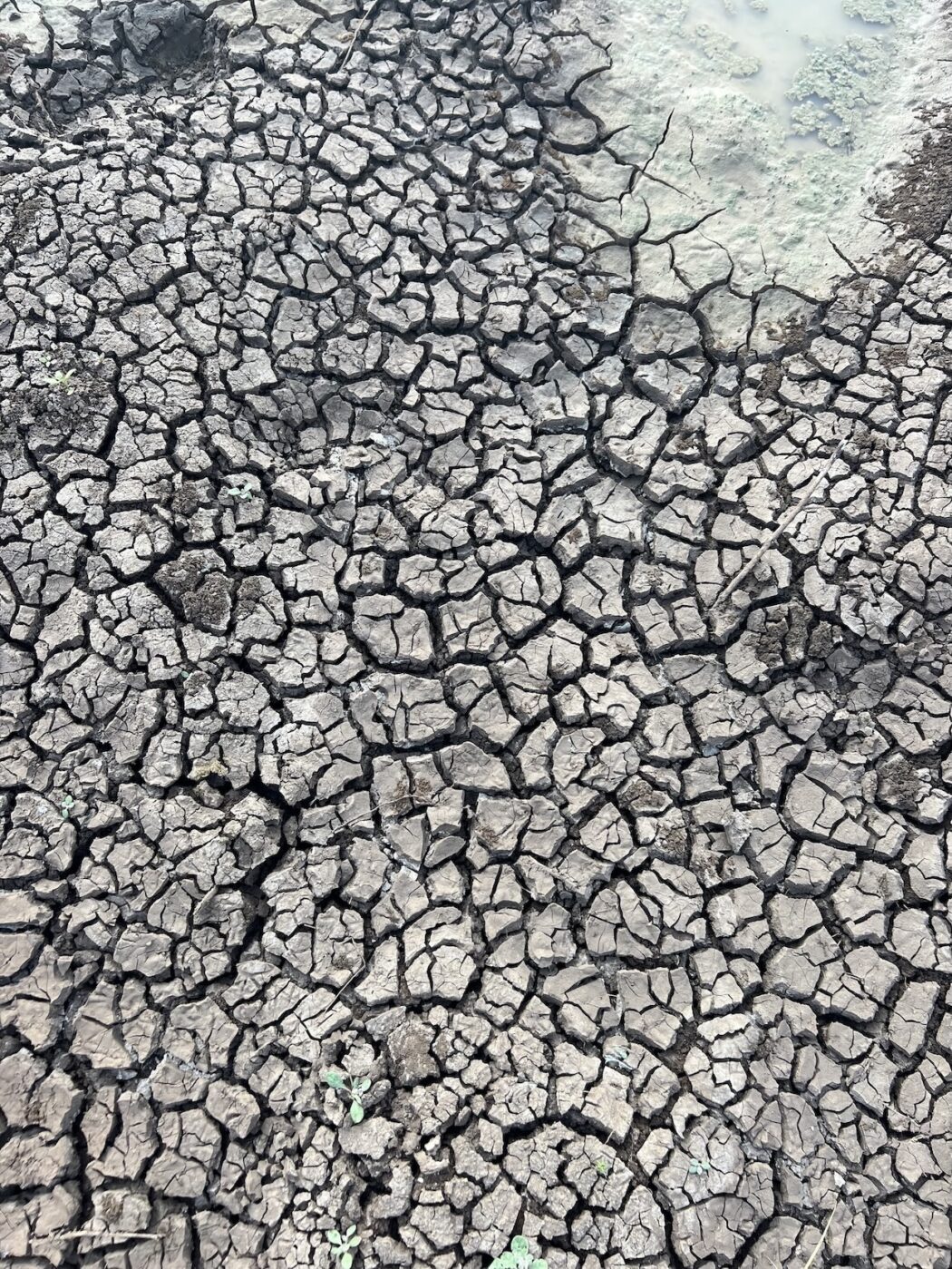
Its deep roots draw heavily on groundwater, leaving communities with less water, and worse water, than before. It also degrades soil and cuts crop yields, pushing farmers to abandon land they can no longer work. Without arable land, communities are forced into daily wage work, for example chopping Prosopis for firewood. Climate change is making all of this worse, deepening the threat to food security and rural livelihoods.
What We Do
At The Cycle, our World pillar focuses on regenerative agriculture and climate resilience — restoring land and water systems, strengthening livelihoods, and supporting practical solutions that help communities adapt to a changing climate.
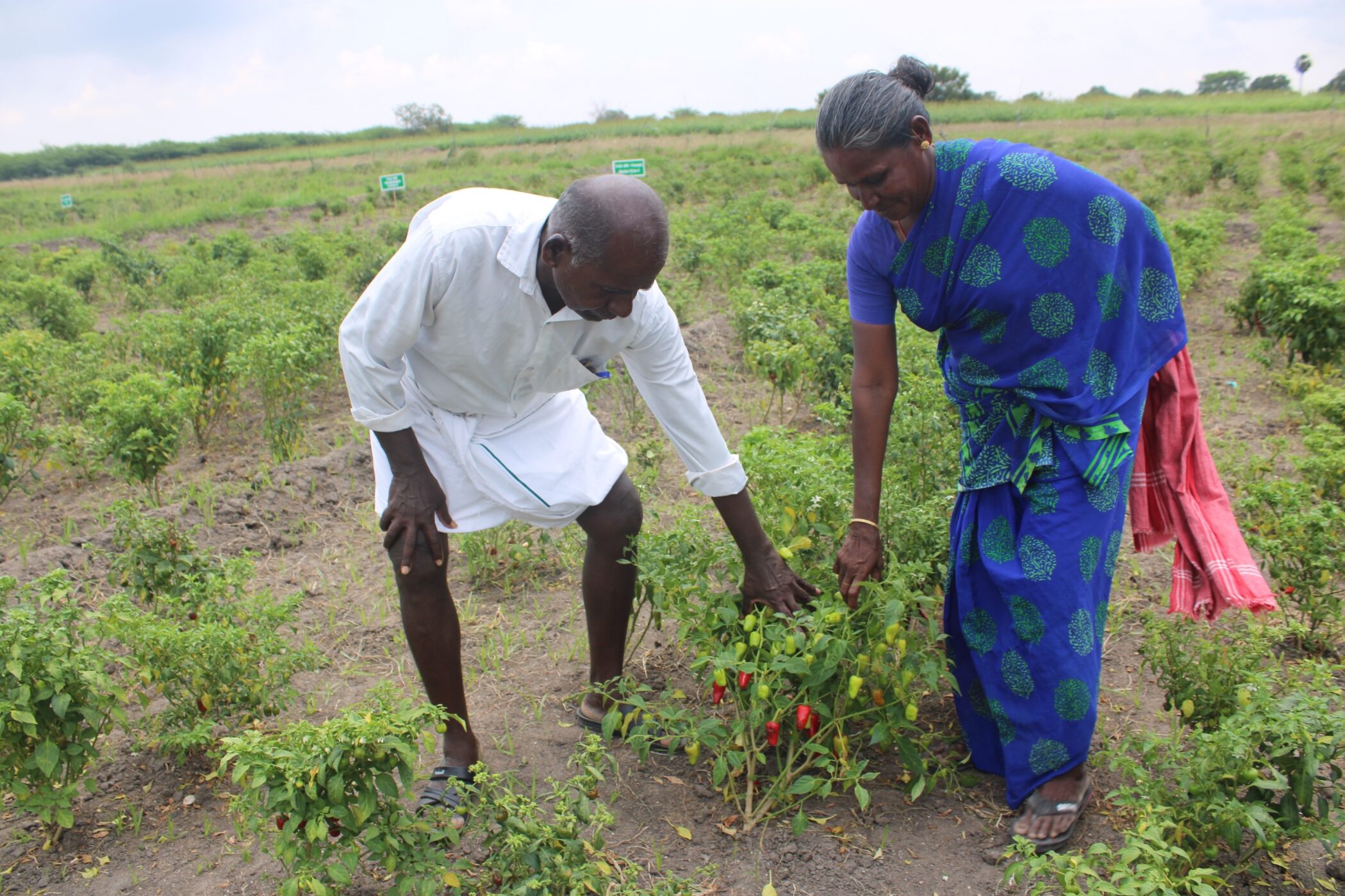
Regenerative Agriculture
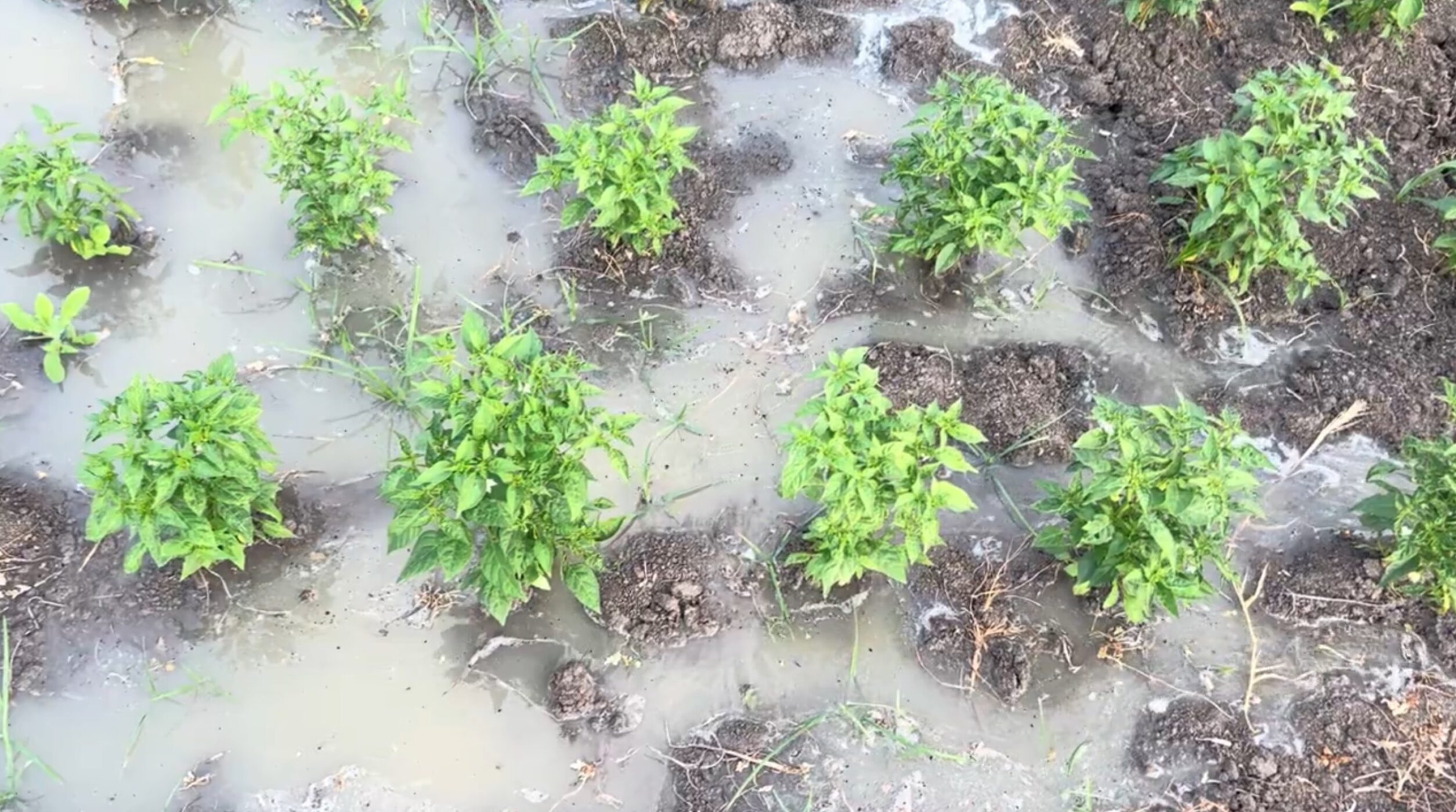
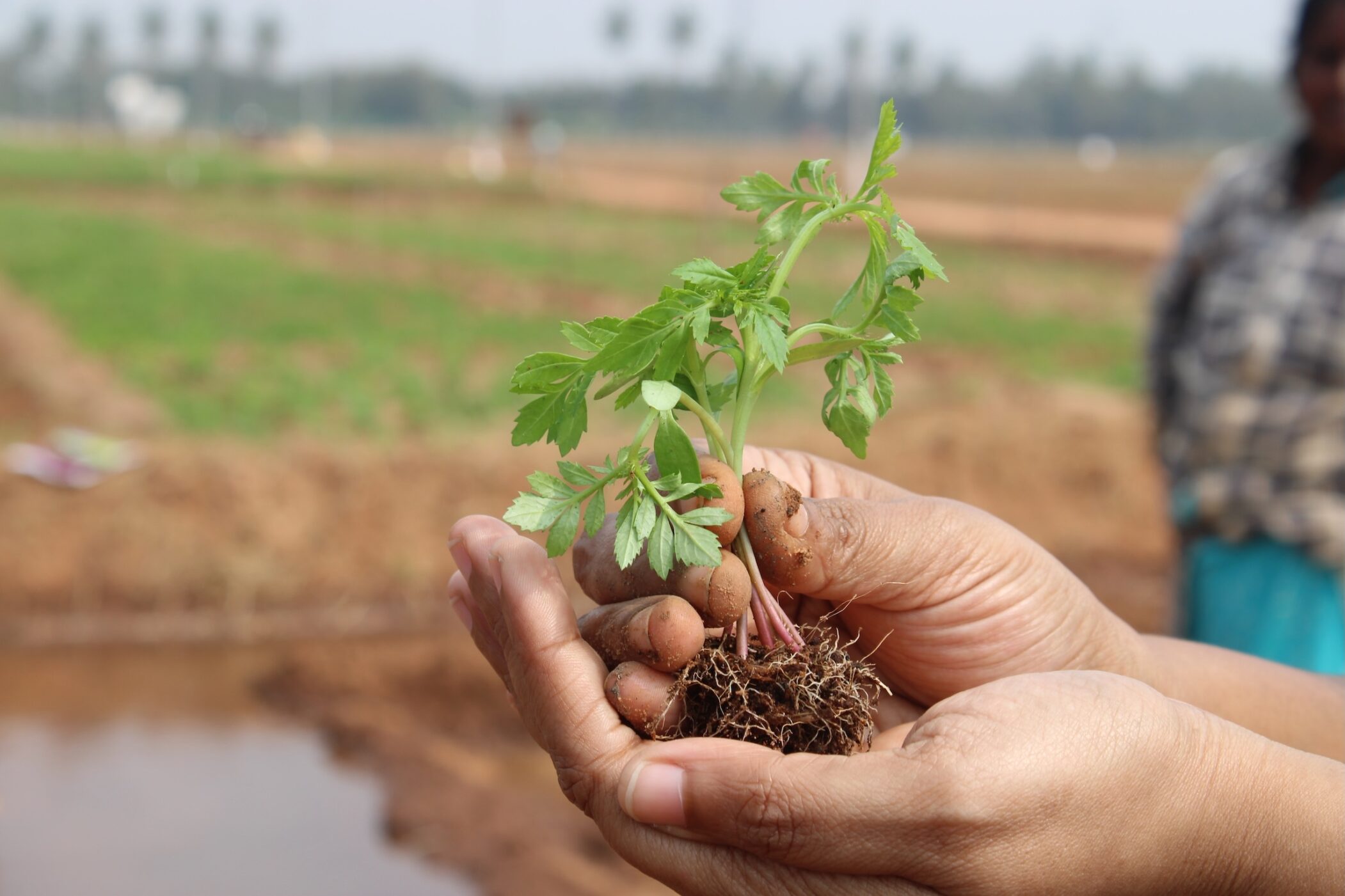
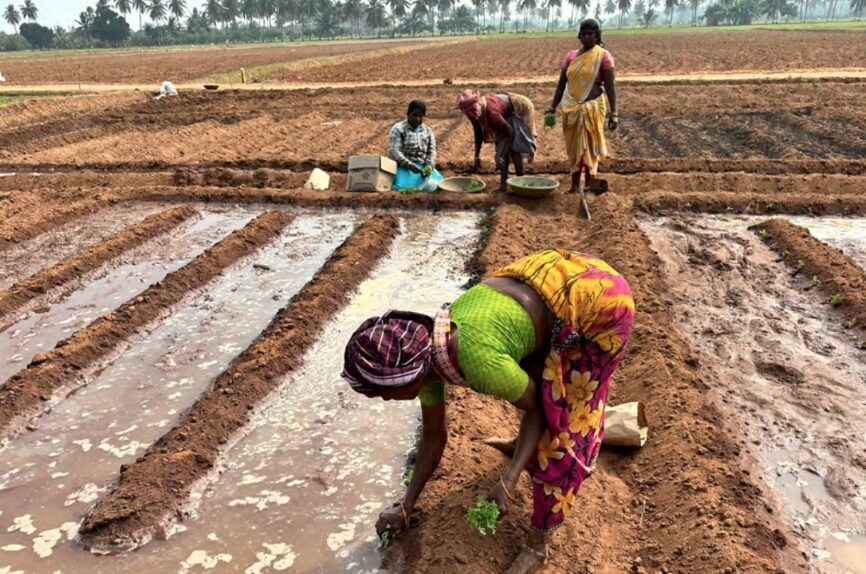
We support farming practices that rebuild soil health, improve water retention, and increase resilience to droughts and floods. By strengthening soil structure and reducing dependence on external inputs, farmers are able to grow healthier crops using less water.
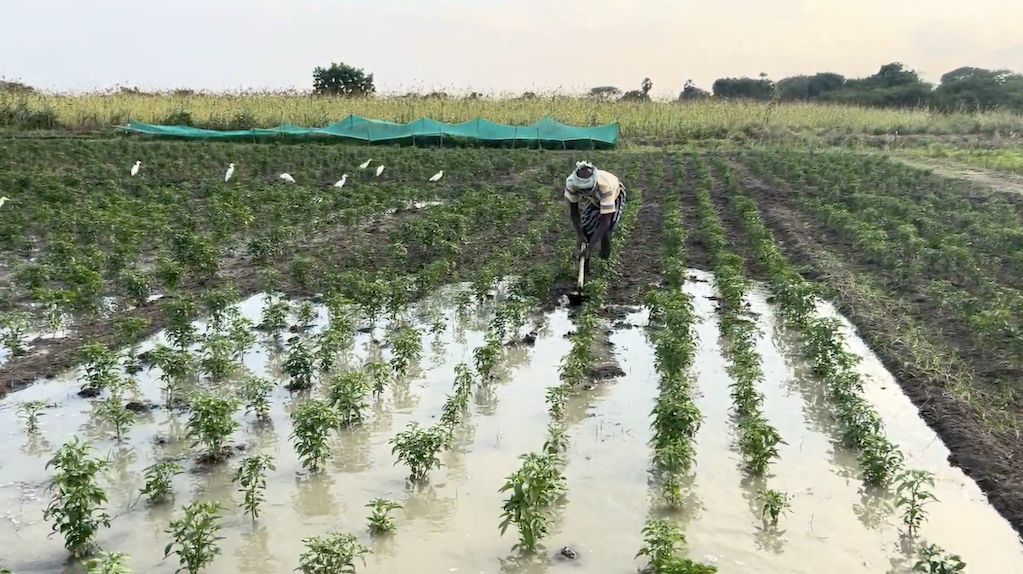
Restoring Land and Waterbodies
Land and waterbodies in southern India are overtaken by Prosopis juliflora, an invasive shrub that spreads aggressively, depletes groundwater, and degrades soil quality. We work with farmers to facilitate the removal of Prosopis to return land and ponds to their original use — improving groundwater recharge, biodiversity, and access to productive land and water.
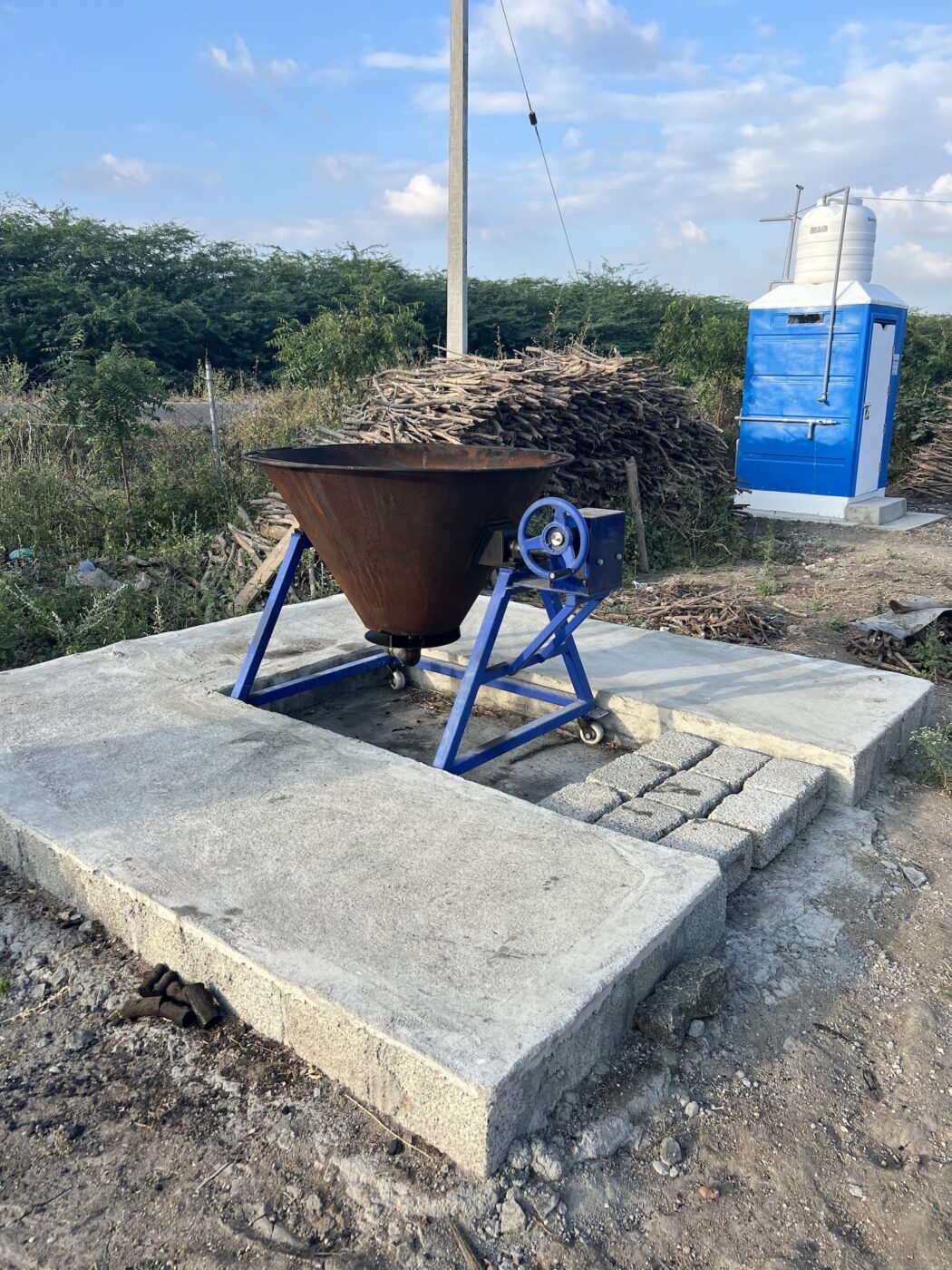
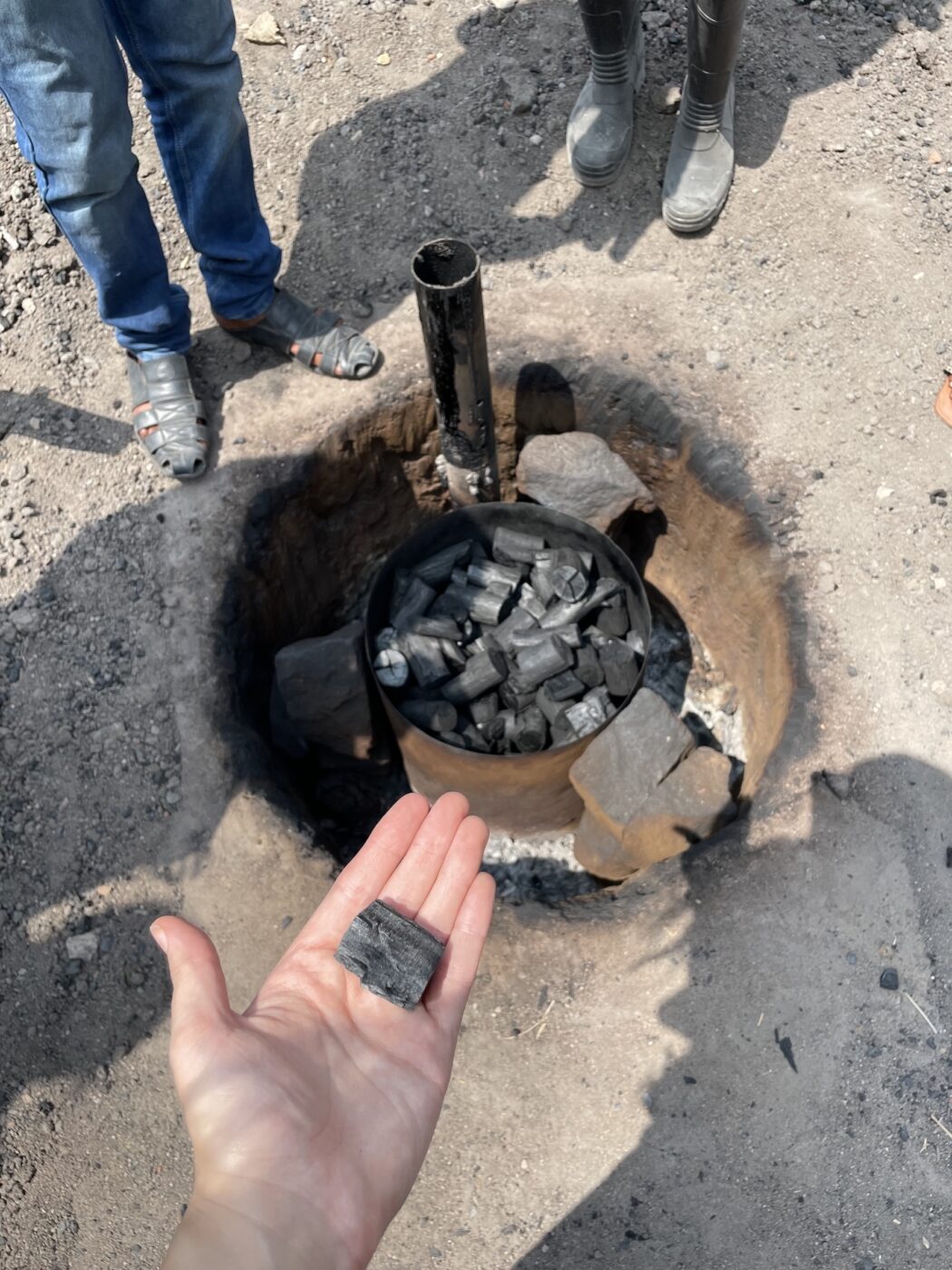
Turning Prosopis Into Biochar
Rather than treating removed biomass as waste, Prosopis is converted into biochar using low-cost, low-tech methods. This biochar is applied to farmland as a regenerative soil input, where it: improves soil structure and fertility; significantly increases water-holding capacity; reduces irrigation demand and supports healthier and more resilient crops.
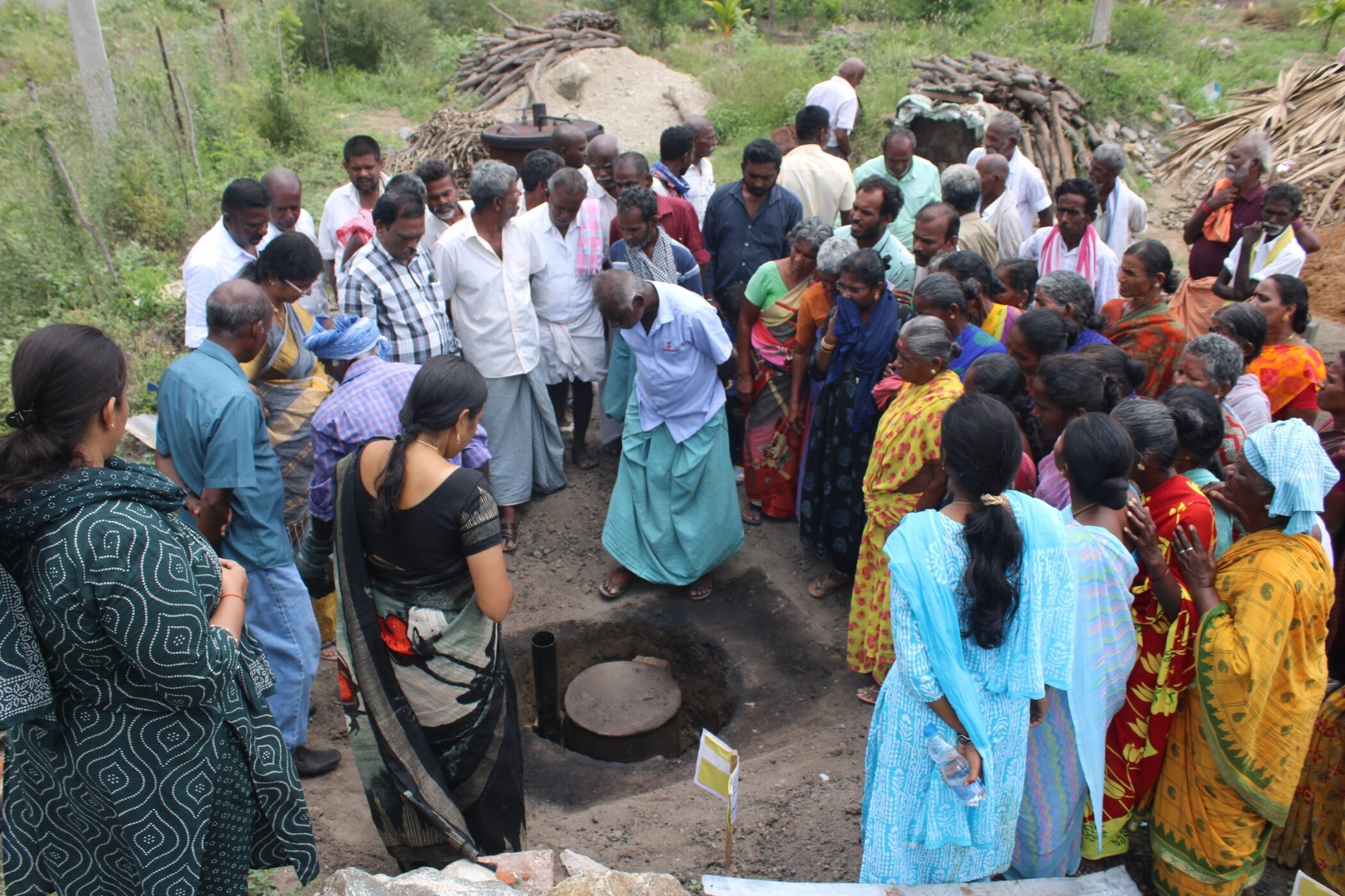
Farmer training
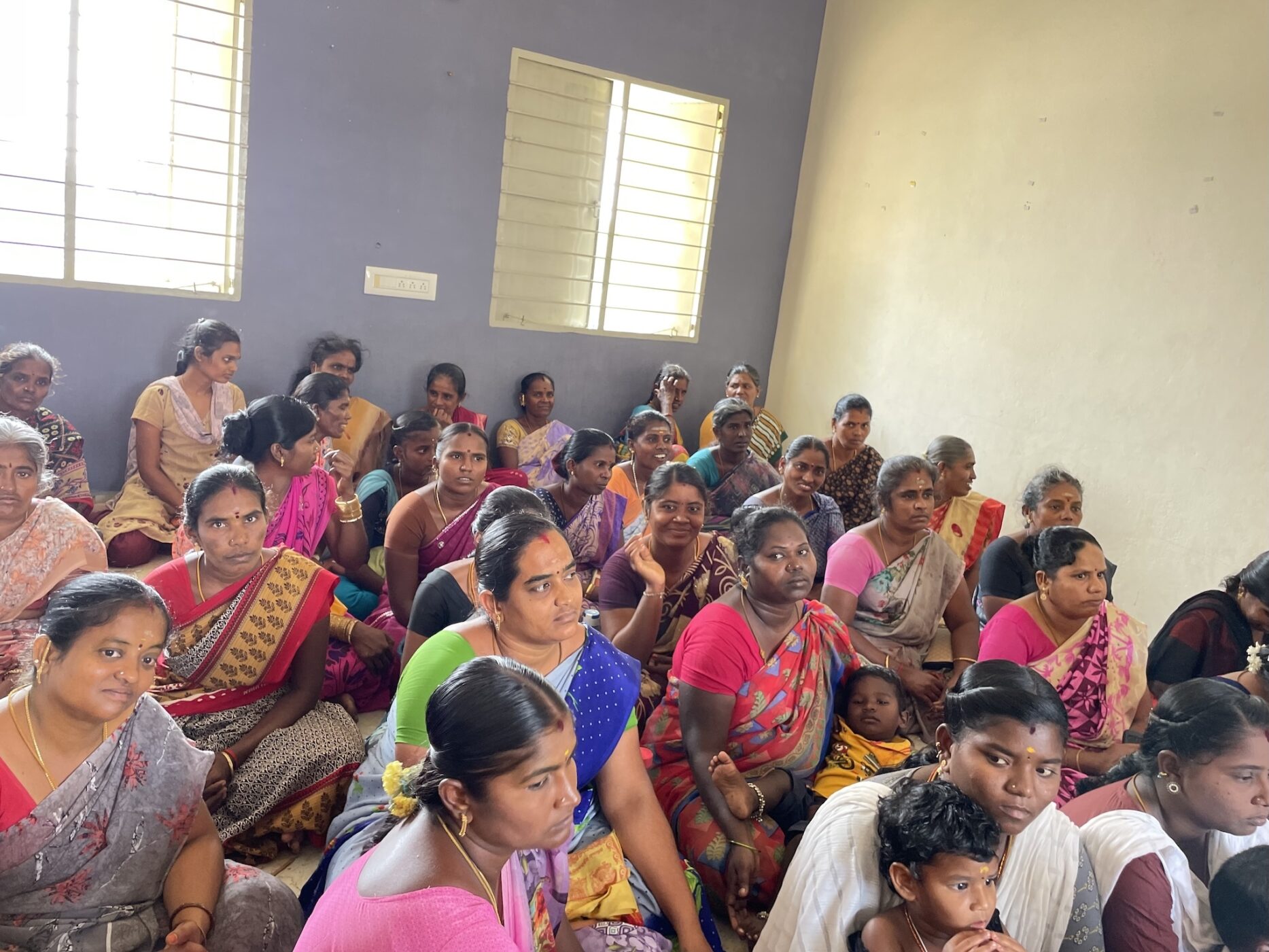
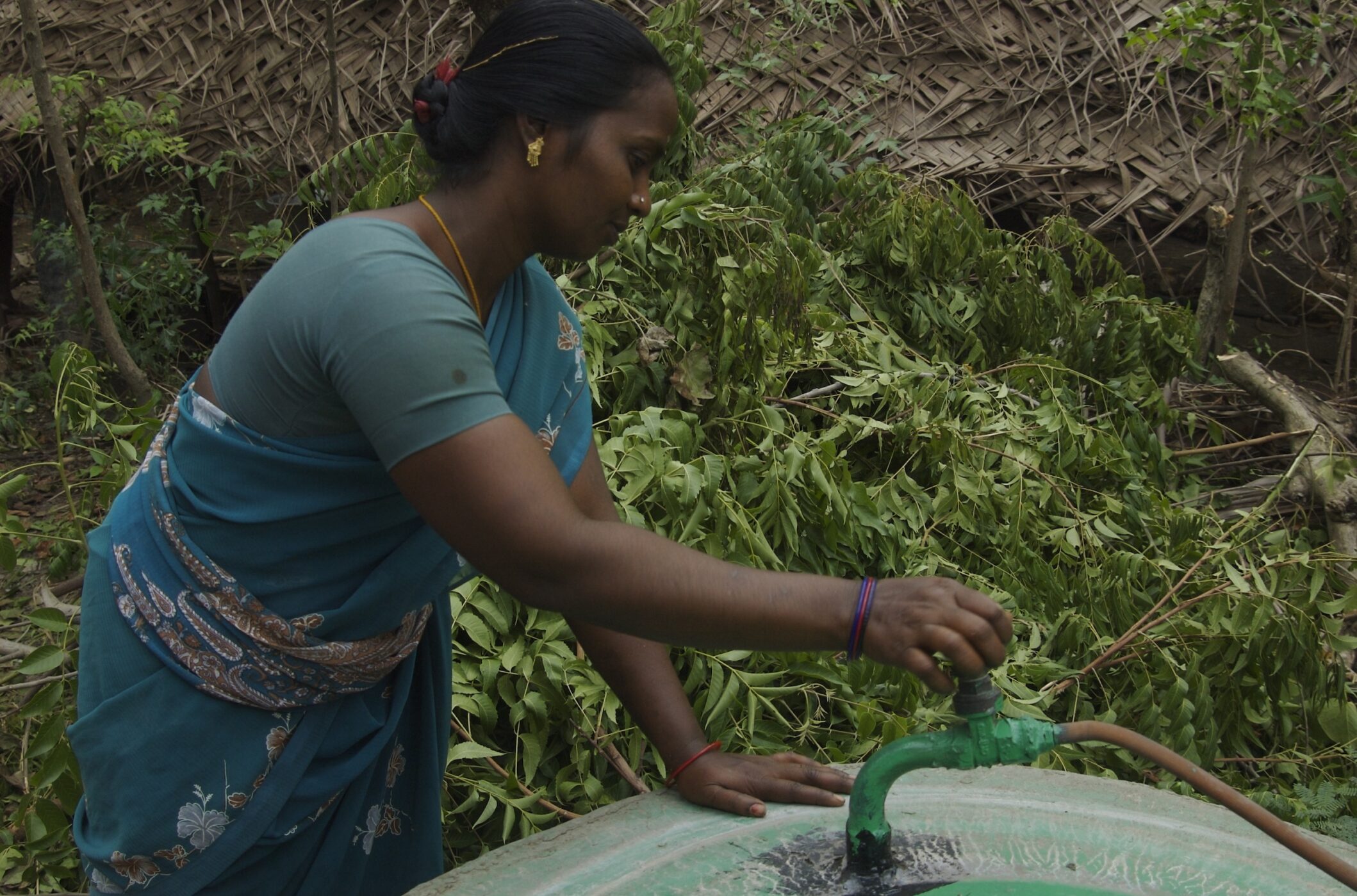
We work alongside smallholder farmers, training them in biochar production and application, as well as organic fertiliser and growth inputs — equipping them with the skills to regenerate their land, enhance their crops, and uplift their livelihoods.
This creates a closed-loop system: restoring natural water sources heals the land, which in turn restores livelihoods and reduces climate vulnerability for smallholder farmers.
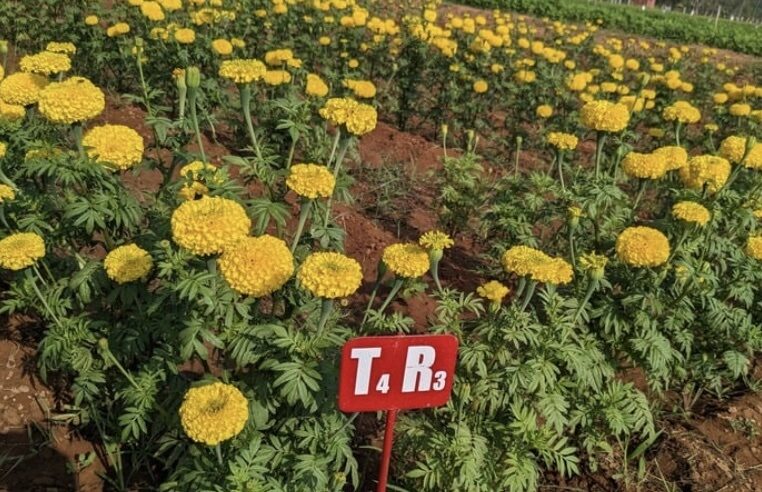
The Real Change
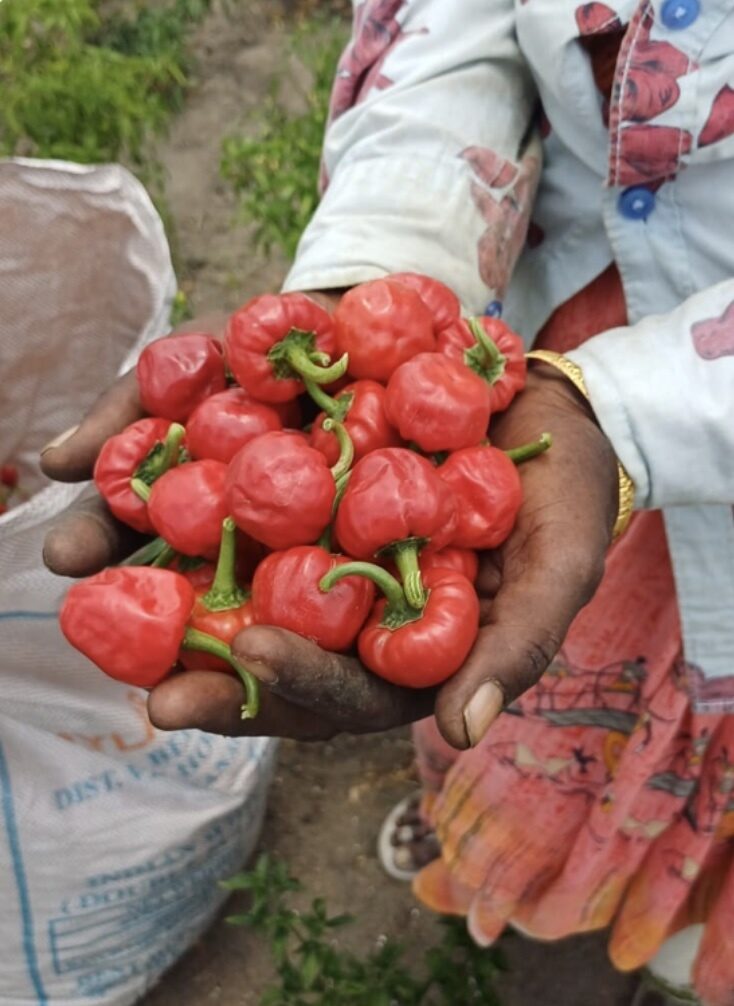
Better soil, healthier produce
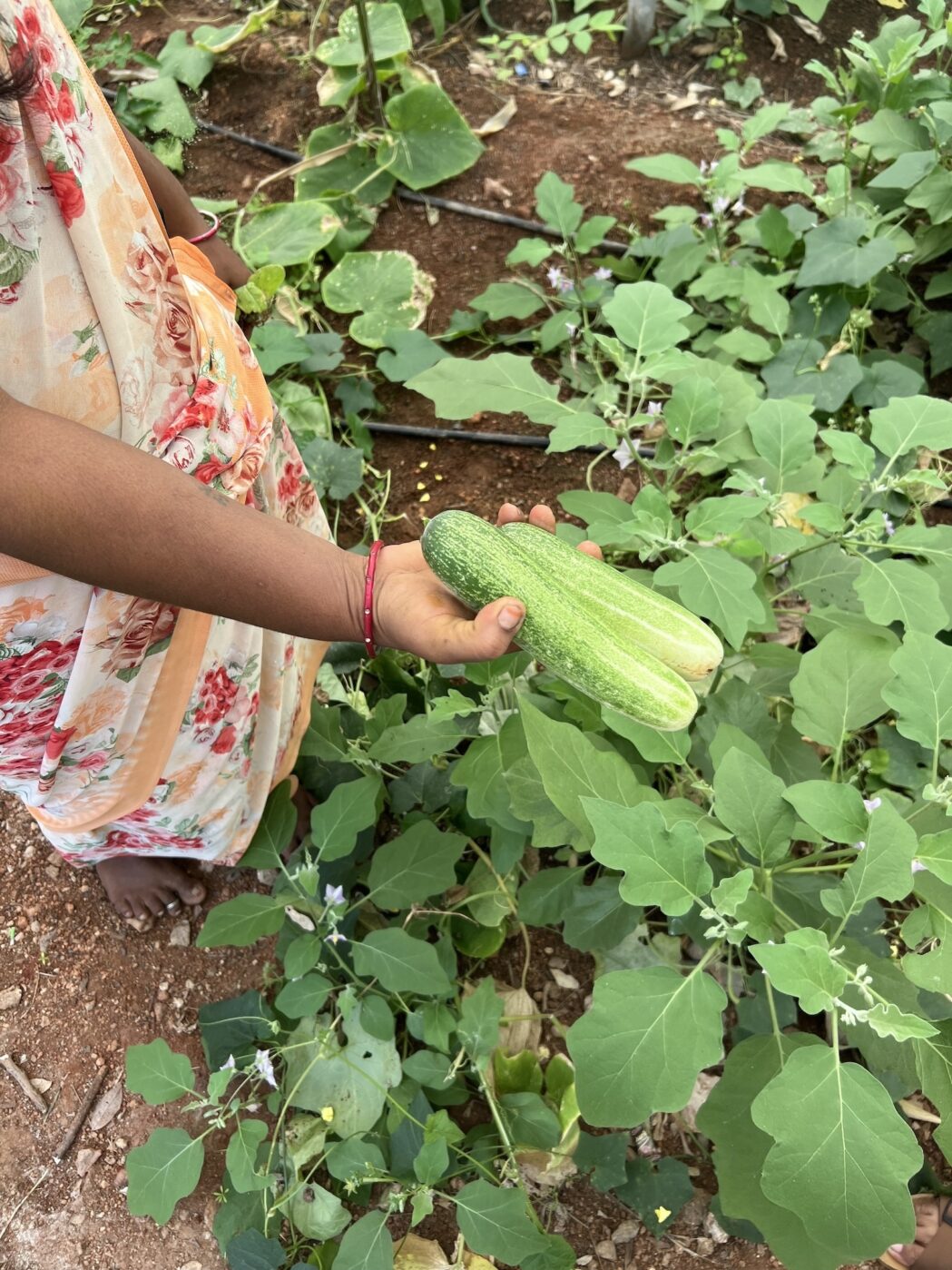
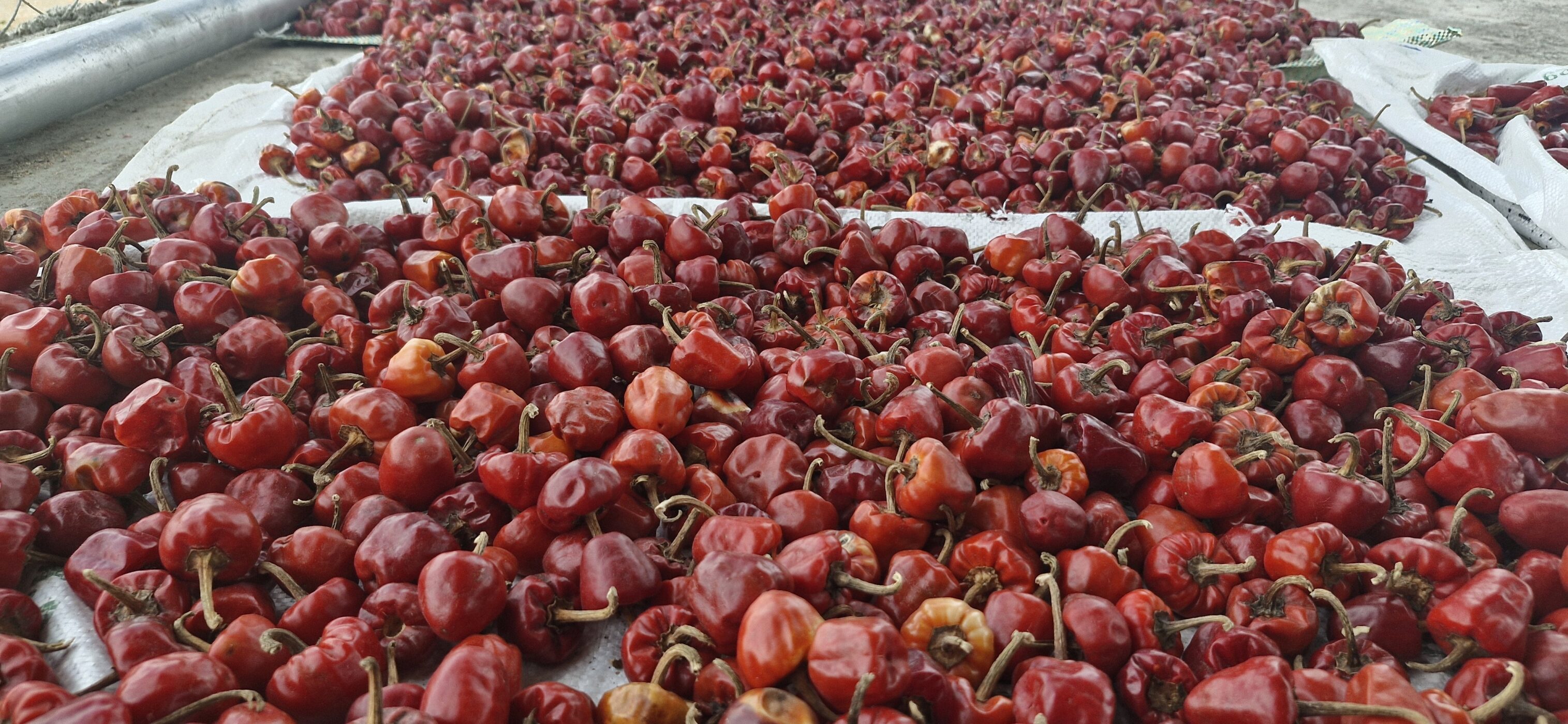
Regenerated land doesn't just support farmers — it improves what they grow. Chillies from restored soil have shown Vitamin C levels of up to 144.5 mg/100g, along with improved pungency, colour, and shelf life, meaning the benefits of healthier land reach everyone who eats its produce.
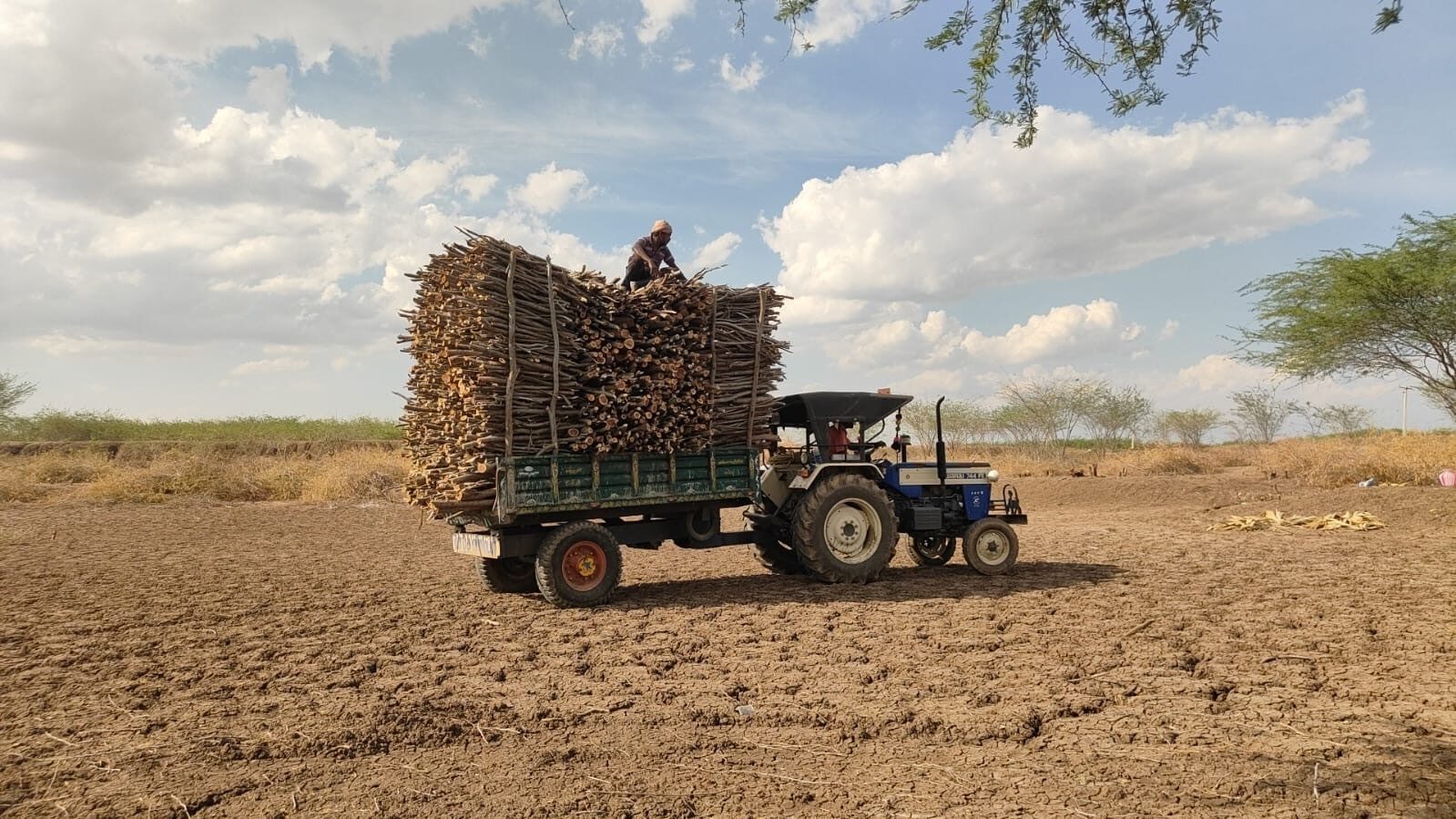
Land restored, futures secured
Farmers who once had nothing that could help their depleted land are now seeing better yields than ever before. What was distress and uncertainty is steady income and a future worth planning for — and as more farmers get back their livelihoods, that stability spreads, strengthening the whole community's economy, not just one household at a time.
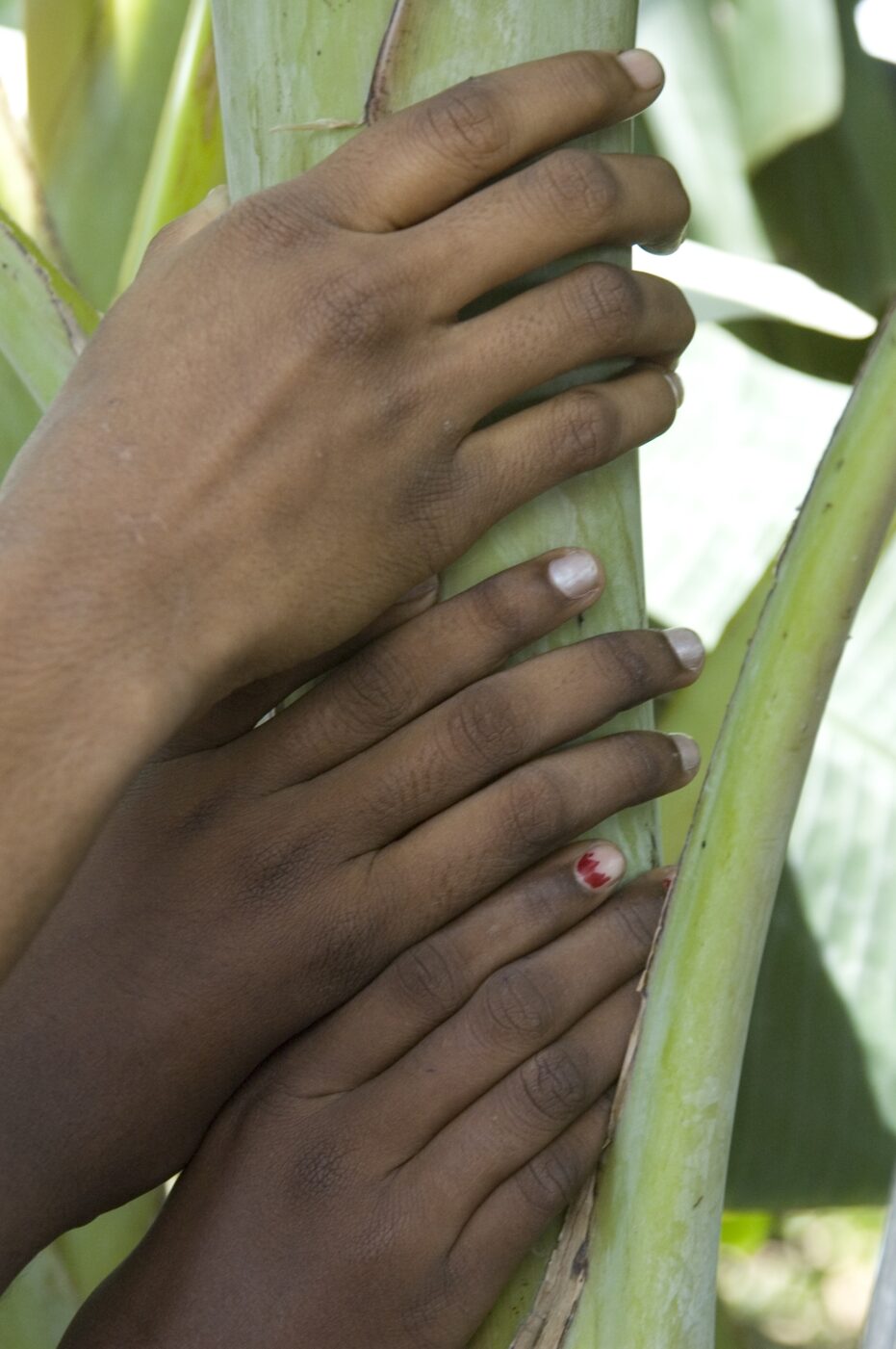
Captured carbon, increased climate resilience,
By converting invasive Prosopis juliflora into biochar rather than burning it, we prevent significant carbon emissions and lock carbon into the soil for centuries. This transforms an environmental threat into a permanent climate asset—restoring ecosystems, regenerating farmland and helping communities adapt to a changing world.
Green Schools
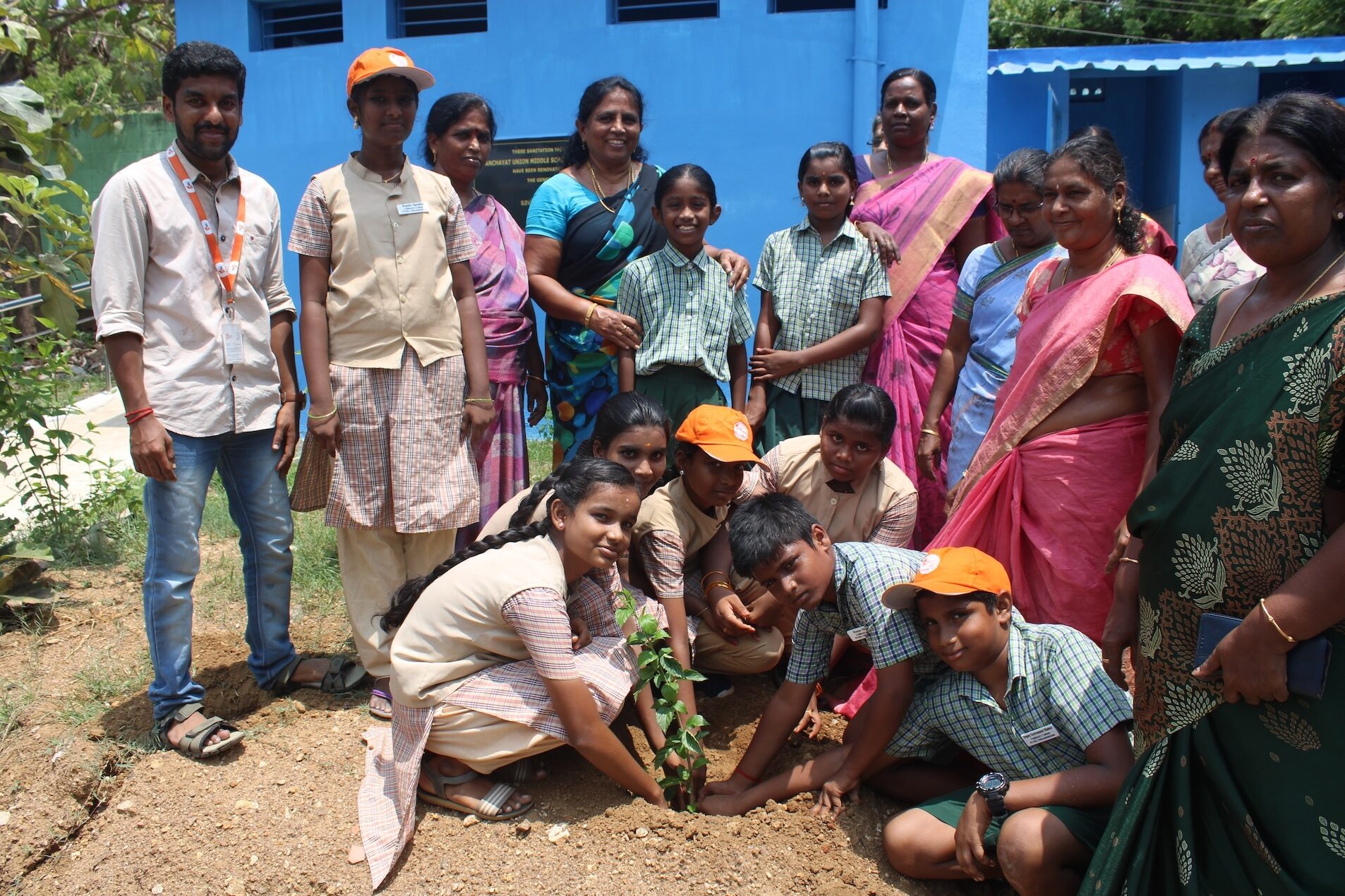
Our Green Schools approach extends climate resilience into learning environments. By integrating water conservation, sanitation, waste management, tree planting, and climate awareness into school campuses, schools become living examples of environmental stewardship. Children learn through practice — engaging with greener surroundings, restored water systems, and everyday climate-smart behaviours. Green Schools improve the safety, dignity, and resilience of school infrastructure, while nurturing a generation that understands how land, water, and climate are connected.
Our Change Makers
Hear from community members we work alongside.
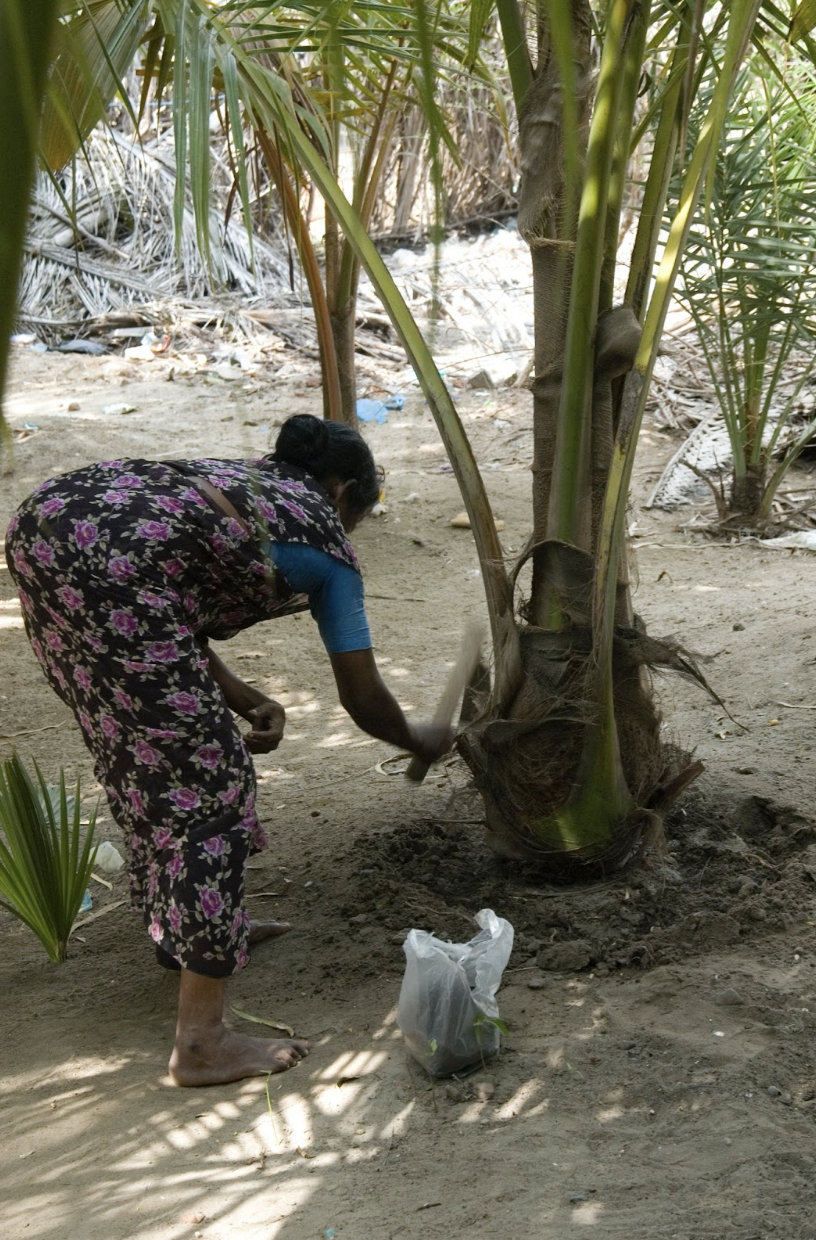
"I joined a training on Mundu chilly farming as our crops were struggling. We learnt to make and use biochar from Prosopis juliflora, which helped to reduce water use and improve crop yield. The plants were thriving and of knee height, just how they used to be while we were little. I’m excited to try the biochar samples we received."
Vijayalakshmi, 38